Between the Nikah and the Next Dance: Syrian American Weddings as Acts of Translation
The invitation arrived in two languages. On one side, elegant English script announced the names of the couple and the venue — a converted barn outside Dearborn, Michigan. On the other, Arabic calligraphy informed the older generation that the khutba would begin at six, the zaffa at seven. One card, two worlds, and behind it, three years of family negotiations that the bride describes, laughing, as 'harder than the marriage counseling.'
For Syrian Americans of the second generation, love has become a site of quiet diplomacy. The dating apps promise infinite choice; the family WhatsApp group has opinions. And somewhere in between, couples are inventing ceremonies that honor both.
The Sukhra and the Swipe
Ask any Syrian American in their twenties about the sukhra — the formal family visit in which a prospective groom traditionally asks for a daughter's hand — and you will get a story. Some describe it with affection: the trays of sweets, the father's carefully rehearsed gravity. Others describe the pressure of a ritual that assumes the couple barely knows each other, when in fact they may have been dating for two years.
'I told my mother we were doing the sukhra, but on my terms,' says Rania, a pharmacist in Chicago who married a Lebanese American man last spring. 'He came, he asked, we served the Arabic coffee. But he'd already met my father a dozen times at Thanksgiving. The ritual was real — it just wasn't the beginning. It was the middle.'
That reframing — tradition as chapter, not gatekeeper — is the pattern emerging across Syrian American communities from Detroit to Houston. Interfaith marriages, in particular, have forced the conversation. A Christian bride marrying a Muslim groom, or the reverse, must decide whether two ceremonies are a compromise or a celebration. Increasingly, couples are choosing celebration.
The DJ Who Plays Both Anthems
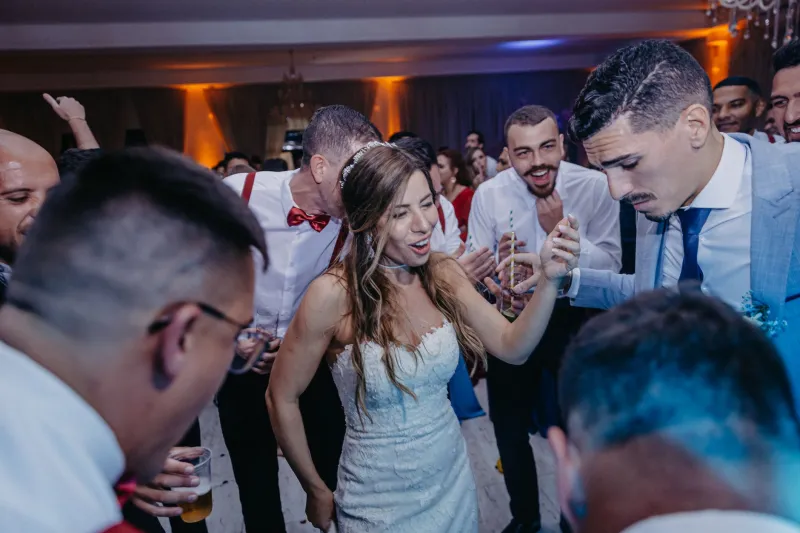
No detail captures the hybrid wedding better than the music. At Syrian American receptions, the playlist is a diplomatic document: Fairuz flowing into Bruno Mars, a debke line that pulls reluctant cousins onto the floor, then a Top 40 set that gives the college friends a turn. One New Jersey couple hired a DJ who describes his job as 'reading two rooms at once.'
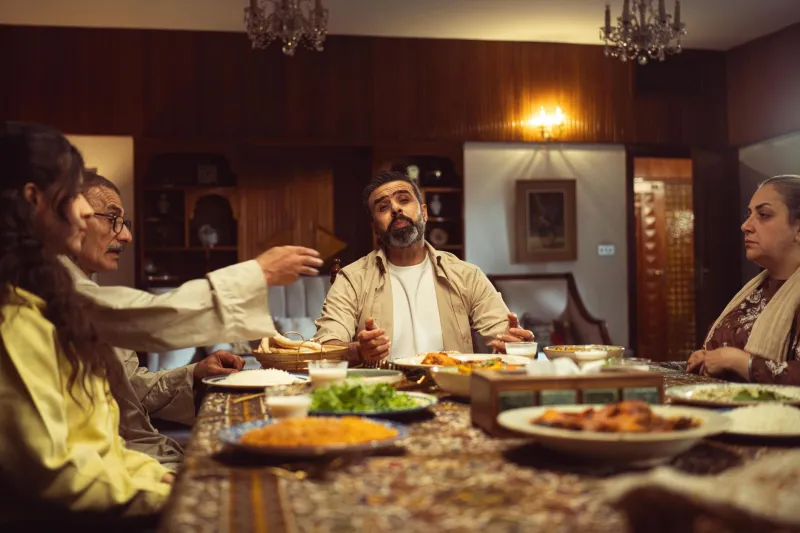
The deeper work happens before anyone dances. Prenups, wedding costs, and where the couple will live — questions American couples often defer — arrive pre-loaded with cultural assumptions in Syrian families. In many households, the expectation that a couple will live near the husband's parents, or that the bride's family will shoulder specific costs, collides with American norms of independence.
Divorce: The Conversation No One Scripts
The negotiation does not end at the altar. When Syrian American marriages fail, couples confront a second, harder translation. Divorce carries stigma in parts of the community that it does not carry in the wider culture, and women in particular report feeling judged twice — once by American friends who don't understand the family pressure, and once by relatives who don't understand why 'trying harder' isn't an option.
A growing network of therapists, many of them first-generation immigrants themselves, now specializes in exactly this bind. Their advice to families is consistent: grieve the marriage you imagined, and let the couple define the marriage they actually had.
A Generation Writing Its Own Vows
What looks like dilution from one angle looks like authorship from another. These couples are not abandoning tradition; they are curating it. The zaffa still opens the reception. The mother of the bride still inspects the feast with the seriousness of a customs officer. But the vows, the guest list, the very premise — that two people choose each other first and inform the families second — is the American contribution, and it is holding.
If We Were Syrian, we would understand what these weddings are really saying: that identity is not a choice between two anthems, but a playlist. And increasingly, the dance floor belongs to the generation making it.