Seven Words That Carry a House: A Syrian Vocabulary of Welcome
Every language keeps a few doors locked from English speakers. Syrian Arabic keeps several, and they happen to guard the rooms where the culture's heart is kept. Here are seven words — taught to us by mothers, grandfathers, and one very insistent aunt in Dearborn — that reveal what a Syrian home believes about other people.
1. Ahla w Sahla — 'You Have Arrived to Family'
The standard welcome, roughly rendered, means something like: you have come to your people. Not 'welcome to my home' — to family. The word does the theological work of erasing the guest/host distinction before the guest has even removed their shoes. An American host asks how to make a visitor comfortable. A Syrian host has already decided the visitor belongs.
2. Nour — 'Light,' as in the Light You Ate By
'Nour 'a qalbak' — light upon your heart — is said to someone who has given you joy. Food, in Syrian households, is discussed in terms of illumination. The child who finishes the plate is told the meal was nour, that it lit something. Americans say dinner was great. Syrians say you have brightened us. The difference is direction: one compliments the food, the other compliments the guest.
3. Ya'tik al-'afye — 'May You Be Given Strength'
Said to anyone who works, cooks, travels, or suffers — this phrase refuses to let labor go unacknowledged. The woman who spent six hours on the kibbeh receives it. So does the friend who just came out of a difficult meeting. It is a small grammar of noticing, and it is used a hundred times a day.
4. Allah Yerhamo — 'God Rest Him,' the Grammar of Shared Grief
When a Syrian mentions a deceased person, the mention is never left bare. Every reference to the dead is wrapped in a blessing, spoken by everyone in the room, often in unison. Grief is not a private mood; it is a call-and-response. An American might say 'I'm sorry' once. A Syrian household says 'Allah yerhamo' every time the name comes up, for years — a way of ensuring the dead are never mentioned without being honored.
5. 'Azizeh — 'My Precious,' to a Stranger
The word for a beloved — 'azizeh — is freely extended to strangers, to the new neighbor, to the delivery driver invited in for coffee. Syrians do not reserve endearment for intimacy. The assumption is that closeness is the default setting of human beings, and distance is the thing that requires explaining.
6. Karam — Generosity as Obligation, Not Virtue
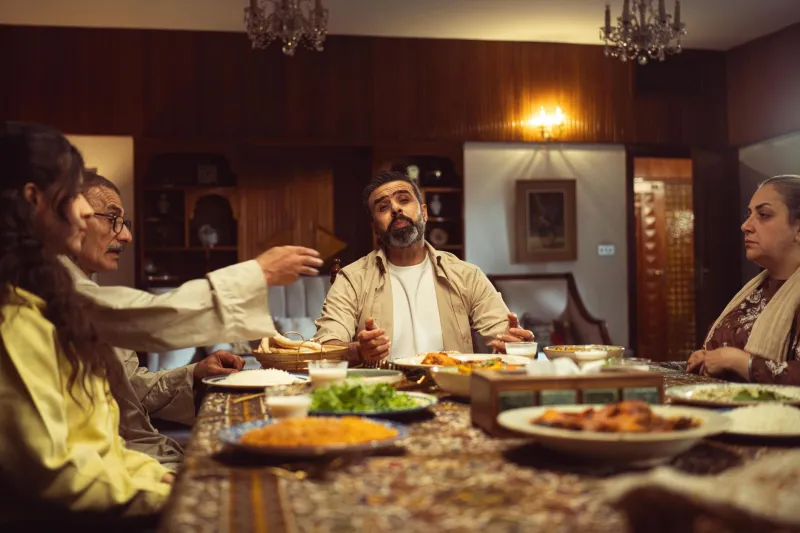
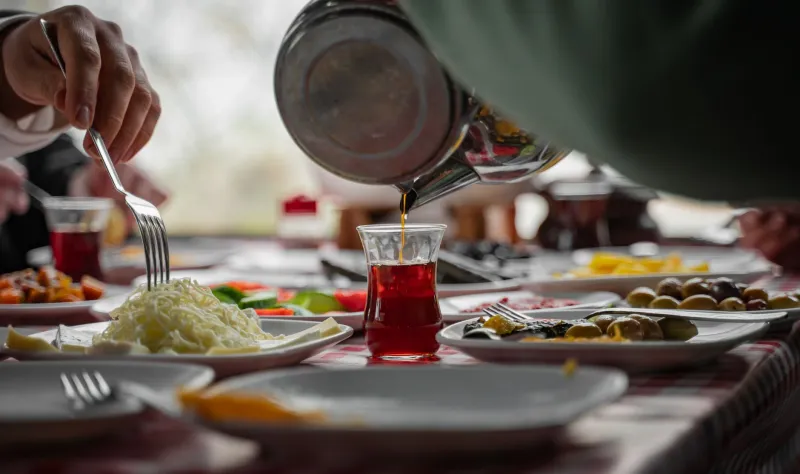
There is a word for hospitality, but Syrians more often use 'karam,' which carries the weight of duty. The guest must be fed better than the family eats; the host who fails this has failed, full stop. In the refugee years, this code became survival infrastructure — Syrian families in Jordan, Lebanon, and Turkey feeding newer arrivals from cupboards that were already bare, because karam does not consult the budget.
7. Bil Hana w al-Shifa — 'With Joy and Health'
The farewell after a meal: may this food bring you delight and wellness. It closes the circle that 'ahla w sahla' opened. The guest arrived as family and leaves carrying a blessing. Nothing is wasted, not even goodbye.
What America Might Hear in These Words
None of these terms require belief, ancestry, or even fluency to adopt. They require only a decision: that welcoming people is a discipline, practiced in vocabulary, repeated until it is character. If We Were Syrian, we would say that a culture can be measured by its untranslatable words — and that this one measures up very well indeed.